
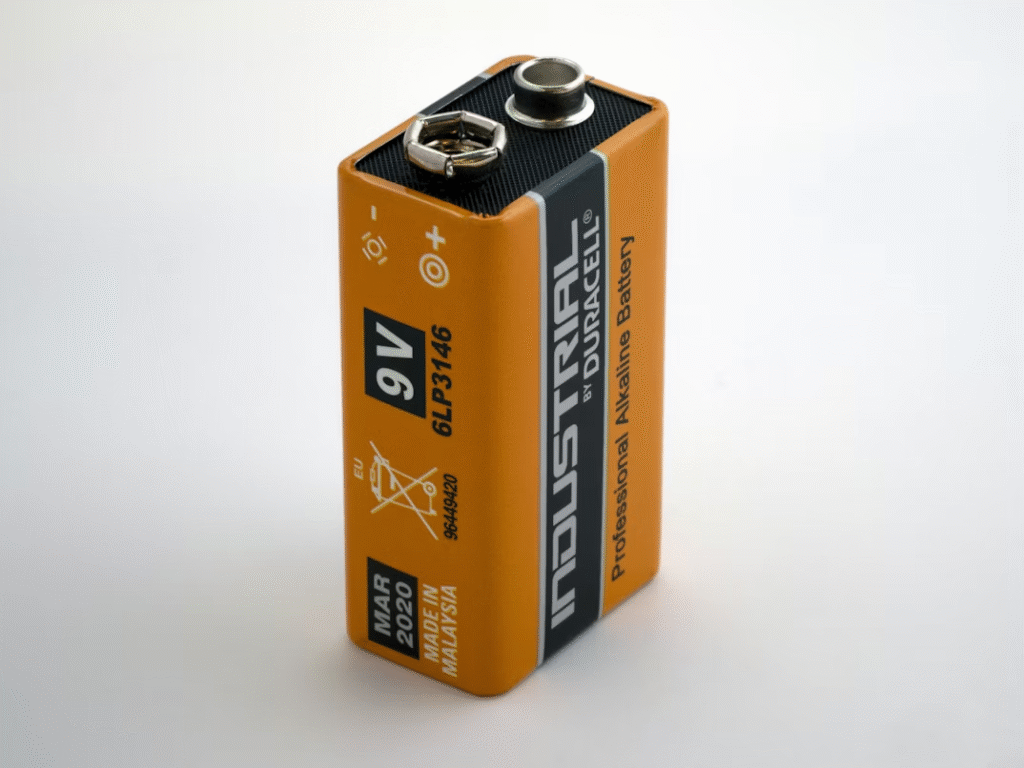
AGM (Absorbent Glass Mat) deep cycle batteries have become increasingly popular for various applications, from renewable energy systems to recreational vehicles. This article delves into the features and benefits of AGM deep cycle batteries, helping consumers make informed choices about their energy storage needs.
What is an AGM Deep Cycle Battery?
An AGM deep cycle battery is a type of valve-regulated lead-acid (VRLA) battery that utilizes an absorbent glass mat to hold the electrolyte. Unlike conventional flooded batteries, AGM deep cycle batteries are completely sealed, preventing leakage and making them spill-proof.
This design enhances safety and allows for versatility in various applications. Manufacturers often recommend these batteries for situations requiring reliable and sustained energy output, which makes understanding their construction and capabilities essential for potential users.
Key Features of AGM Deep Cycle Batteries
AGM deep cycle batteries boast several distinctive features that set them apart from traditional lead-acid batteries. One key characteristic is their ability to handle repeated discharge and recharge cycles. This means they can provide consistent energy over a longer period, making them ideal for applications where sustained power is necessary.
Additionally, AGM deep cycle batteries have a lower self-discharge rate, allowing them to retain their charge for extended periods, which is particularly beneficial for seasonal use, such as in boats or RVs.
Performance in Extreme Conditions
One of the most compelling benefits of AGM deep cycle batteries is their performance in extreme conditions. These batteries can operate efficiently in high temperatures, which often hinder the performance of standard batteries. Furthermore, they are less sensitive to vibrations, making them suitable for use in vehicles that experience constant movement or shocks.
This resilience enhances the longevity and reliability of AGM deep cycle batteries, assuring users that their energy needs will be met irrespective of the environment.
Low Maintenance Requirements
AGM deep cycle batteries are designed for low maintenance, another crucial benefit for users. Unlike flooded lead-acid batteries, which require regular checking and topping off of electrolyte levels, AGM batteries are maintenance-free. Their sealed design means there is no need for watering, which saves time and effort.
This convenience is particularly advantageous for individuals with little experience in battery maintenance or for applications in remote areas where access to maintenance services is limited.
Environmental Considerations
Environmental concerns are increasingly influencing the choice of energy storage solutions. AGM deep cycle batteries are typically more environmentally friendly than traditional lead-acid batteries because they can be recycled more efficiently.
Moreover, their sealed design reduces risks related to spills and leaks, which can harm the environment. By opting for AGM deep cycle batteries, consumers can meet their power needs while making more sustainable choices for the planet.
Conclusion
In conclusion, understanding AGM deep cycle batteries involves recognizing their unique features and advantages. Their robust construction, exceptional performance in harsh conditions, low maintenance requirements, and environmental benefits make them a superior choice for various applications.
Whether used in renewable energy systems, recreational vehicles, or for backup power, AGM deep cycle batteries offer users reliable and efficient performance that meets their energy demands while also aligning with eco-friendly practices.