
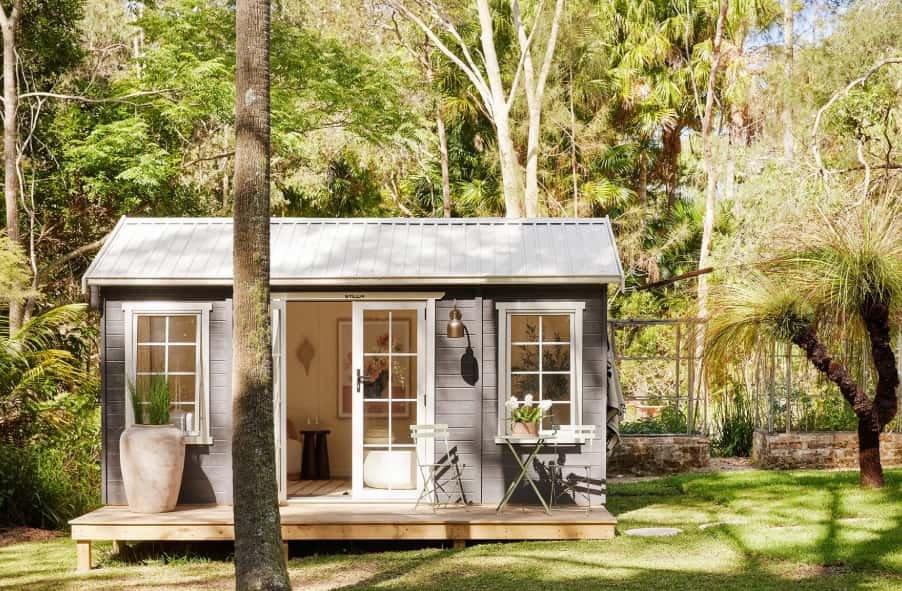
Granny Flat: In Australia, prices for building a secondary dwelling mostly fall between $120,000 and $180,000, this depends on size, design, materials and location of the build. Granny flat cost stays closer to the lower end for smaller studio style units, but for bigger two bedroom versions with premium finishes, the price can go beyond $200,000. When these figures are understood properly, homeowners are able to plan a realistic budget before starting work on the project.
Granny flats have become quite popular addition on residential properties nowadays; they are used for rental income, for extended family living, as a home office, or for extra accommodation space. Since cost differs so much from one project to another, it becomes helpful to break down what actually pushes the price higher or lower.
What Determines the Price of a Granny Flat
There are several factors which influence how much a granny flat will cost to build. These include:
- Size of dwelling, usually measured in square metres
- Number of bedrooms and bathrooms included
- Quality level of fittings, fixtures and finishes
- Conditions of site, including slope, soil type and access
- Requirements for council approval and application fees
- Connection of utilities like water, electricity and sewage
- Cost of labour and materials which is specific to region
When the floor plan is larger, cost naturally goes up because of more materials and more labour hours needed. A one bedroom granny flat is generally a cheaper option compared to two bedroom version that has an ensuite and a separate living area.
How Site Conditions Affect Cost
Land that is flat and easy to access helps reduce construction cost by a good margin. But for blocks that are sloped, or have rocky terrain, or limited vehicle access, these often need extra groundwork, retaining walls, or special equipment, and this pushes overall budget up. Before construction starts, soil testing is usually required, and if soil turns out unstable, extra foundation work may be needed.
Does a Granny Flat Add Value to a Property?
This is a question many homeowners keep asking: whether a granny flat is worth the investment or not. In most of the cases, when a granny flat is built well, it adds value through increasing usable living space on the property and also by creating potential for rental income. Properties which have a self contained secondary dwelling tend to attract more buyers who are looking for multi generational living, or investors who want rental returns.
How much value actually gets added depends on local property market conditions, quality of construction, and how well the granny flat blends with the main residence.
How Long Does It Take to Build a Granny Flat?
Usually, construction takes somewhere between three to six months; this depends on how complex the design is and how the approval process goes. When standard designs with pre approved plans are used, these move faster through council assessment, but custom builds can take longer time because of extra planning and engineering work needed.
What Is Included in the Total Cost?
A complete budget for a granny flat usually covers more than just materials for construction. Often it includes:
- Drawings for design and architecture
- Fees for council or private certifier approval
- Preparation of site and excavation work
- Connections for plumbing, electrical and utility
- Fencing or landscaping, if this is required
- Construction of driveway or pathway
One of the most common mistakes in budgeting happens when these extra costs get overlooked. A budget estimate that is realistic should always include site works and approvals, not only focus on the build part alone.
Are There Ongoing Costs After Construction?
Yes, there are. After the granny flat gets built, there can be ongoing expenses such as adjustment in council rates, usage of utilities, maintenance work, and insurance. If granny flat is being rented out, landlords should also keep a budget for repairs happening periodically and for meeting rental property standards.
How Do Regional Differences Affect Pricing?
Construction cost varies quite a lot between different states, and even between metro areas and regional areas within the same state. In major cities, labour costs tend to be higher, which results in overall pricing being higher compared to regional towns. Also, regulations from local councils differ from place to place, and this can affect how long approval takes and what fees are attached.
Can Granny Flat Costs Be Reduced Without Compromising Quality?
Efficiency in cost can often be achieved by keeping design simple, using standard floor plans, and choosing finishes that are mid range instead of premium upgrades. When building happens on land that is flat and accessible, this also helps reduce expenses on site preparation. However, if structural elements or compliance requirements get cut short, this can lead to higher cost later, because of repairs needed or issues with non compliance.
Final Thoughts
The cost of a granny flat depends on a combination of size, design, site conditions and pricing factors specific to the region. Even though a general budget range gives homeowners a starting point, actual cost can vary depending on individual property requirements and local regulations in place. When time is taken to understand what influences pricing, starting from site preparation up to finishing materials, this helps in making budget more accurate and realistic before construction work begins.