
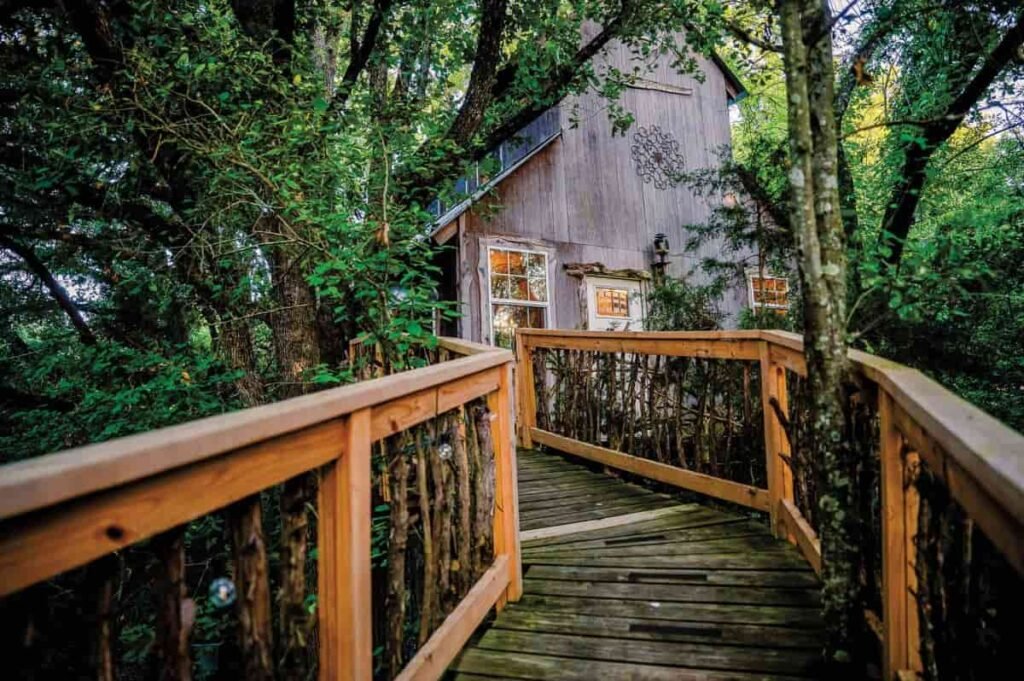
Outdoor Recreation: Large landholdings and commercial properties in areas with elevated fire risk face management responsibilities that urban property owners rarely consider. Simultaneously, the outdoor recreation industry that depends on healthy, well-managed land continues to grow as more people seek authentic experiences away from urban environments.
Understanding both the safety obligations of land management and the recreational opportunities quality land offers provides a complete picture of responsible stewardship.
Table of Contents
The Role of Texas Fire Watch in Commercial and Industrial Settings
Construction sites, industrial facilities, events venues, and properties undergoing renovation all face periods when their normal fire detection and suppression infrastructure is offline or insufficient. Hot work operations, temporary structures, and changing occupancy patterns create windows of elevated risk that standard permanent systems are not designed to address.
During these periods, a texas fire watch programme provides trained personnel who maintain continuous monitoring for fire conditions, can initiate emergency response immediately, and maintain the compliance documentation that regulatory authorities require when permanent systems are out of service.
The Growing Appeal of Texas Hunting Lodge Experiences
Hunting and outdoor recreation on managed land represents a significant and growing segment of the rural economy. Properties that offer guided experiences, quality habitat, professional management, and comfortable accommodation command premium pricing from clients who value the combination of challenge, expertise, and quality of setting that the best operations provide.
A well-run texas hunting lodge invests in habitat management that produces sustainable wildlife populations, professional guide services that enhance the experience for clients regardless of their experience level, and accommodations that make the non-hunting portions of a visit as enjoyable as the time in the field. The reputation built through consistent quality in all these dimensions is what drives the referrals and repeat bookings that sustain a premium outdoor recreation business.
Land Management Connects Both
Whether managing land for safety compliance or for recreational excellence, the underlying discipline is the same: knowing your land thoroughly, identifying and managing risks proactively, and delivering consistently on the obligations and expectations of the people depending on you. Fire safety and land stewardship are not separate concerns but expressions of the same commitment to responsible management of the resources and responsibilities that come with large land ownership.
Preventive Land Maintenance and Risk Reduction Strategies
Effective fire safety begins long before an incident occurs, through consistent land maintenance practices that reduce the conditions in which fires can start or spread. This includes clearing dry vegetation, maintaining firebreaks, managing controlled burns where permitted, and ensuring that access routes for emergency vehicles remain open and usable. Properties that are regularly assessed for fuel load buildup are significantly less vulnerable during high-risk weather conditions.
Risk reduction also involves monitoring seasonal changes, such as drought periods or unusually high winds, which can rapidly increase fire danger. Many landowners implement scheduled inspections and maintenance plans that align with seasonal risk patterns.
Balancing Conservation Goals with Recreational Use
Responsible land management requires finding a balance between preserving natural ecosystems and supporting recreational activities. Overuse of land for outdoor recreation can lead to habitat disruption, soil erosion, and stress on wildlife populations if not properly managed. Controlled access, seasonal restrictions, and designated activity zones help protect sensitive areas while still allowing for meaningful recreational use.
At the same time, well-managed recreational use can support conservation efforts by generating revenue that funds habitat restoration, wildlife monitoring, and infrastructure improvements. When guided responsibly, activities like hunting and eco-tourism can contribute directly to maintaining healthy ecosystems.