
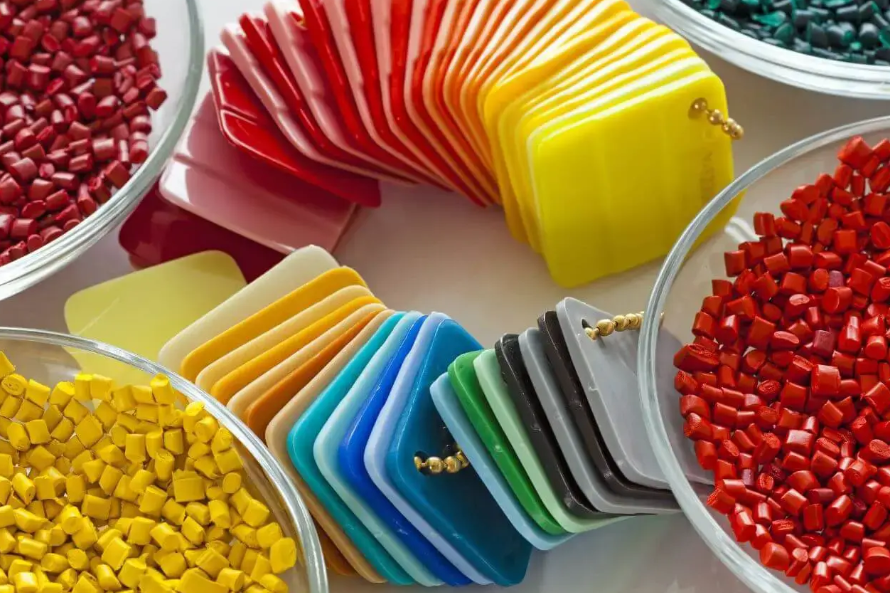
When it comes to shaping polyvinyl chloride into precise plastic parts, PVC injection moulding is the manufacturing process that uses heat together with pressure to get the job done. Through high pressure, molten PVC is pushed into a metal mould, where it becomes cool and turns hard into the final part. Across many industries, this method is used widely, mainly because it gives accurate and repeatable shapes while wasting very little material. Because of this, it stands as one of the most efficient ways for manufacturing plastic products in large scale.
How Does The Process Work?
At the start, raw PVC pellets or granules are fed into a barrel that is heated. Inside this barrel, there is a rotating screw which melts the material and then pushes it forward. Once fully molten, this plastic gets injected into a mould cavity that has been custom designed, and this happens under quite significant pressure.
After that, cooling of the mould takes place, and this allows the plastic to become solid in the shape which was intended. Once cooling is done, the mould gets opened, and the part that is finished comes out through ejection. Since this cycle keeps repeating again and again, it is for this reason that the technique works so well when production needs to happen in high volumes.
Some of the main stages found in this process are as below:
- Feeding of material along with melting
- Injection happening into the mould cavity
- Solidification through cooling
- Ejection of part once finished
- Trimming or finishing work, in case it is required
Why Is PVC a Popular Choice for This Manufacturing Method?
Among plastics that get moulded commonly, PVC is one, and this is mostly due to how versatile and cost effective it happens to be. A strong balance is offered by it between durability, flexibility, and resistance towards chemicals, and because of this, it becomes suitable for applications that need either rigid or flexible products.
A few properties worth noting about PVC are given here:
- Resistance against moisture and chemicals, which is excellent
- Properties of electrical insulation that are good
- A ratio of strength to weight which is high
- Durability that lasts long under conditions that are normal
- The ability of being produced either in rigid form or flexible form
Because of such characteristics, PVC often becomes the material of preference for parts that must handle daily wear, exposure that comes from outdoor elements, or contact that happens with liquids and chemicals.
What Products Are Commonly Made Using This Process?
For manufacturing a wide range of products, both everyday and industrial, this technique gets used quite often. Since detailed and consistent shapes are made possible through it, components requiring precision find it to be ideal.
Applications that are common include the following:
- Fittings for pipes along with plumbing components
- Housings that are electrical, along with insulators
- Parts used in automobiles
- Components meant for packaging
- Fixtures and fittings used in households
From the durability of PVC and its resistance towards environmental stress, each of these products gain benefit, and this helps in extending how long they remain functional.
What Factors Affect the Quality of Moulded PVC Parts?
There are several variables which have influence on how a PVC part comes out once the moulding finishes. By understanding these factors, it becomes clear why certain manufactured parts perform in a better way compared to others.
Factors that hold importance are these:
- Engineering precision along with mould design
- Control over injection temperature and pressure
- Consistency and duration of cooling time
- The quality found in raw PVC material being used
- Maintenance and calibration of the machine
When such elements are managed in a proper manner, what results is a part having accurate dimensions, a finish that is smooth, and strength which stays consistent all through its structure.
Is This Manufacturing Process Environmentally Efficient?
One benefit that comes with this method is the waste of material staying relatively low. Since the process remains highly controlled, only minimal plastic gets wasted when compared with other techniques of manufacturing. Along with this, scrap of PVC that gets generated during production can, in most cases, be reprocessed and used again, and this brings down the overall impact on environment.
Combined with how durable PVC products are, this efficiency means that fewer replacements become necessary over time, and material consumption gets reduced further in the long run because of it.
What Industries Rely on This Technique?
Because of how adaptable it is, a broad range of industries get supported by this manufacturing approach. Sectors depending commonly on it include construction, manufacturing of automobiles, engineering related to electrical work, production of healthcare equipment, and manufacturing of consumer goods.
For its ability to produce components that are strong and reliable, with quality staying consistent from batch to batch, each of these industries places value on the process.
Conclusion
Among methods used for producing plastic components that are durable, PVC injection moulding continues to be one of the most practical and widely applied, across many different industries. Because it combines precision with material efficiency and product durability, it becomes a dependable choice for manufacturing parts needing to perform reliably under conditions faced every day. As the demand keeps growing for plastic components that are cost effective and long lasting, it is likely that this process will remain, even going forward, a technique that is foundational to modern manufacturing.